


 24 / 50

A D V A N C E D M A T E R I A L S & P R O C E S S E S | A P R I L 2 0 1 7
2 4
to generate insight for process optimi-
zation and control. This work results
in tangible business value in terms of
enhanced operational productivity,
proactive furnace maintenance, recipe
rationalization, and operational cost
reduction.
Further, the emergence of Indus-
try 4.0 can have a significant impact on
materials processing operations such
as heat treatment
[8]
and foundry oper-
ations. The most significant difference
would be a mindset change in consid-
ering the heat treating process as part
of the connected production operation
instead of the prevalent silo view. A con-
nected gearmaking process is illustrat-
ed in Fig. 7.
Heat treating data, which is typ-
ically used for quality audit purposes,
would be leveraged to provide part-lev-
el data-sharing for improved pre- or
post- operations. Transferring specific
data (e.g., chemistry data from the steel
mill and casting) could provide better
control of reheating, annealing, and
carburizing operations, which in turn
would help mitigate or manage distor-
tion in these precision components.
Also, identifying the location of specific
components in batch type operations
would help to design better recipes for
machining and finishing operations.
Such individualized solutions at the
part level would bring transformational
change to quality control at the product
level. One of the biggest changes in the
heat treating operation is recipe man-
agement, which is now heuristically
driven. The large amount of production
and quality data and their mathemat-
ical models would help in developing
self-learning and self-evolving heat
treating recipes, suiting current produc-
tion and quality needs with due consid-
eration of current furnace health and
operating conditions. When aligned
with the overall Industry 4.0 vision,
these changes would also make heat
treating operationally efficient with ro-
bust quality products.
Supply management
. Materials en-
gineering could play a significant role by
providing strategic input to the materi-
als-sourcing and supply-management
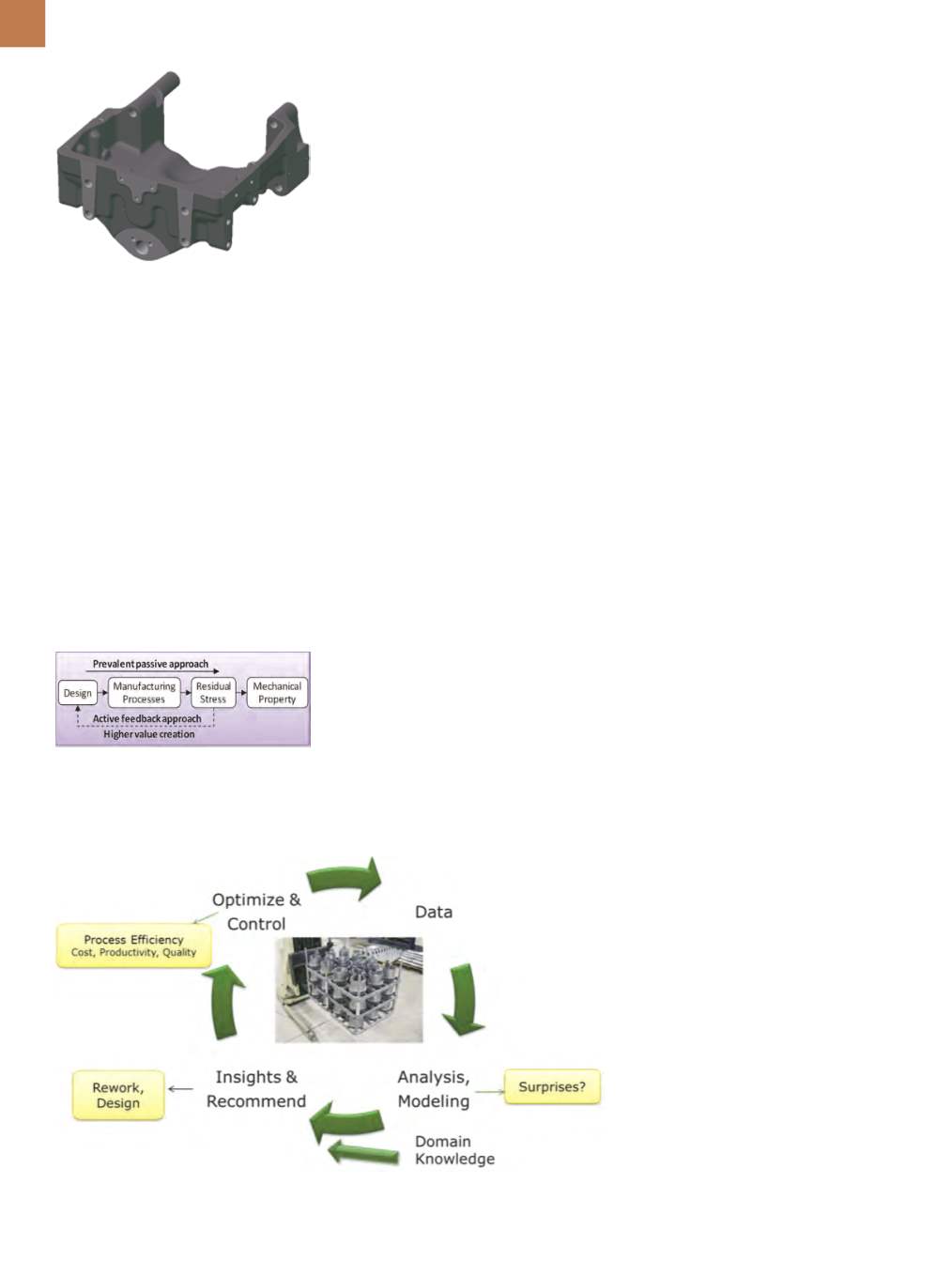
(Fig. 5). Considering the improvement in
fatigue life due to residual compressive
stress, this active feedback approach in
the design phase could result in weight
reduction of 12% for a carburized shaft
and 5-8% for a shot peened shaft
[4]
. An-
other example of product impact is the
development of a sugarcane harvester
from system level modeling of wear
mechanisms, understanding of a ma-
terials wear map, and machine-crop
interactions
[5]
. This industry-leading
innovation is expected to significantly
reduce wear on the harvester cutting
blades—the second highest operating
expense after fuel costs
[6]
.
Other possible impacts of product
engineering include rationalizing mate-
rials grades and thicknesses and devel-
oping specific ground level application
maps for materials, processes, and
treatments. These solutions must be
deployed appropriately in the product
development cycle, PLM tool sets, stan-
dards, and designer guidelines so that
manufacturing can be systematically
scaled up to create significant value.
Manufacturing operations
. A signif-
icant amount of material, process, pro-
duction, and quality data is generated
in modern manufacturing operations,
which are primarily used for process
audits and troubleshooting specific
batches with quality issues. These rich
data sets can be better used to gener-
ate insights for process optimization to
improve manufacturing efficiency and
product quality for overall reduction in
operating costs (Fig. 6).
Big data, data analytics, and da-
ta-based modeling approaches (neural
network, principal component anal-
ysis, and other advanced statistical
methods) are emerging to analyze
manufacturing operations. The effec-
tiveness of this approach is described
in the literature
[7]
, where manufactur-
ing data together with domain under-
standing are synthesized with physics
and data-based modeling approaches
Fig. 4 —
Production part for a tractor
developed through design optimization and
rational materials selection.
Fig. 5 —
Active feedback loop for anticipat-
ing and incorporating manufacturing-in-
duced changes in the design process for
robust, optimal products
[4]
.
Fig. 6 —
Approach to process analytics, integratedmodeling (data and physics based), and opti-
mization for industrial processes
[7]
.